
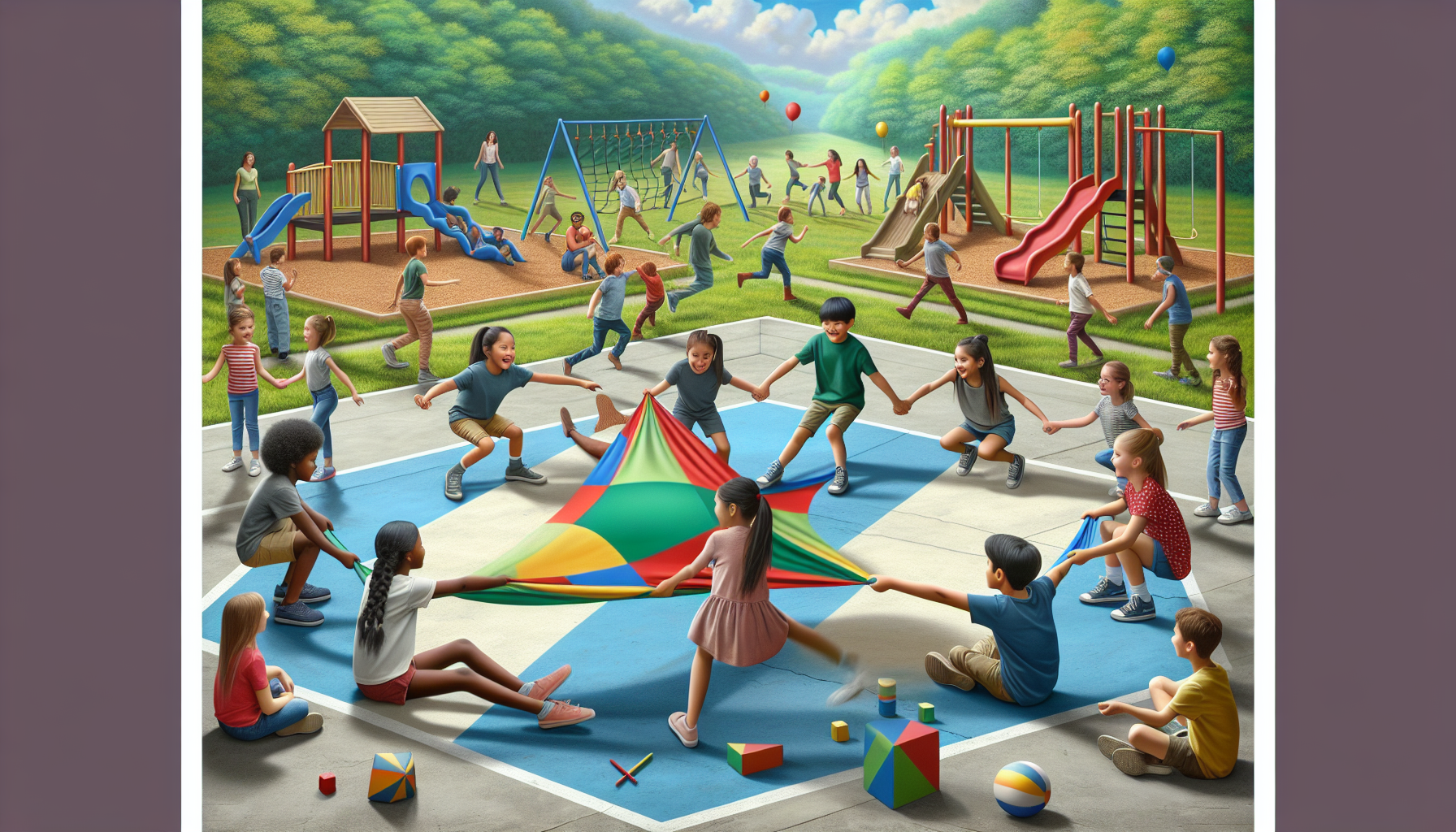
Helping kids develop conflict resolution skills is essential for their social and emotional growth. Kids often encounter disagreements with peers, and teaching them how to handle these situations constructively sets the foundation for healthier relationships. By learning to navigate conflicts, children become more empathetic, understanding, and capable of finding innovative solutions to challenges.
Conflict resolution skills teach:
- Communication: Expressing thoughts and feelings effectively
- Empathy: Understanding others’ perspectives
- Problem-solving: Creating solutions that benefit all parties
- Patience: Taking the time to listen and respond thoughtfully
Conflicts, if unresolved or dealt with poorly, can lead to ongoing issues such as bullying or social isolation. Teaching kids these skills early helps them become more confident and compassionate individuals. To integrate these lessons in a playful manner, you can explore various conflict resolution activities for kids.
Benefits of Using Games for Learning
Games make learning fun and engaging, allowing kids to practice new skills in a safe and enjoyable environment. When it comes to conflict resolution, playing games can reinforce positive behaviors and make complex concepts easier to grasp.
Here are some of the benefits of using games to teach conflict resolution:
| Benefit | Description |
|---|---|
| Engagement | Games capture children’s interest and keep them motivated |
| Practical Application | Kids can apply skills in real-time scenarios during gameplay |
| Collaboration | Team games foster teamwork and cooperative problem-solving |
| Safe Environment | Games provide a non-threatening space to explore and learn from mistakes |
By incorporating conflict resolution games, children learn:
- Active Listening: Paying attention to others
- Creative Thinking: Finding new ways to solve problems
- Negotiation: Working towards mutually beneficial outcomes
- Respect: Valuing different viewpoints
For example, games such as “Simon Says Listening” or “Building a Lego Structure Together” offer practical and enjoyable ways for kids to develop these vital skills. You can find more ideas in our section on conflict resolution worksheets for kids.
Using games as a medium for teaching conflict resolution not only makes the learning process enjoyable but also ensures that kids are more likely to retain and apply what they have learned. For more comprehensive strategies, check out our article on children conflict resolution strategies.
Build Bridges in a Polarized World
 Pick a hot topic
Active Listening Activities
Simon Says Listening
Active listening is a crucial skill for resolving conflicts, and engaging kids in games that promote this can be highly effective. One of the best conflict resolution games for kids is “Simon Says Listening.” It’s a twist on the classic “Simon Says” game but with a focus on listening carefully to instructions.
In this activity, you give commands beginning with “Simon Says” but vary the complexity to make listening a challenge. For instance, you might say, “Simon Says touch your nose,” and then, “Simon Says pat your head while tapping your foot.” The goal is to see if kids can follow multifaceted directions, emphasizing the importance of paying close attention.
This game hones their listening skills, which are essential for resolving conflicts as it teaches them to understand and consider different perspectives. It also cultivates patience and the ability to follow through on tasks.
Storytelling Circle
Another effective listening activity is the “Storytelling Circle.” Here, children sit in a circle, and one child starts a story with a single sentence. The next child continues the story with another sentence, and so forth, until the story comes to a natural conclusion.
This game encourages active listening because each child needs to pay attention to what the previous person said in order to add a coherent and relevant sentence. It also promotes creativity and collaboration, as everyone has a turn to contribute to the collective story.
The “Storytelling Circle” not only improves listening skills but also fosters empathy and understanding, key components in conflict resolution. By actively participating and listening to others, children learn to appreciate diverse viewpoints, making them more adept at peaceful conflict resolution.
For more ideas on conflict resolution activities, check out our page on conflict resolution activities for kids and conflict resolution worksheets for kids. Additionally, understanding conflict resolution for elementary students can be beneficial for tailoring activities to younger age groups. For broader strategies, click on children conflict resolution strategies.
Collaboration Challenges
When it comes to teaching children conflict resolution skills, collaboration challenges can be incredibly effective. These activities require kids to work together, communicate, and strategize, which helps them understand the benefits of teamwork and cooperation. Two standout activities in this category are building a Lego structure together and team puzzle-solving.
Building a Lego Structure Together
Building a Lego structure together is a fun and engaging way to teach children how to work as a team. This activity encourages kids to communicate their ideas, listen to each other, and compromise to achieve a common goal. Here’s how you can conduct this activity:
- Gather the Materials: Provide a set of Lego bricks.
- Explain the Task: Instruct the children to build a specific structure (like a house or a bridge).
- Set the Rules: Ensure that each child gets a turn to add bricks and make decisions about the structure.
- Monitor the Process: Encourage open communication and prompt the kids to resolve any disagreements that arise.
| Steps | Description |
|---|---|
| 1 | Gather the materials |
| 2 | Explain the task |
| 3 | Set the rules |
| 4 | Monitor the process |
This activity not only enhances conflict resolution skills but also promotes creativity, patience, and cooperation. For more conflict resolution activities, check out our article on conflict resolution activities for kids.
Team Puzzle-solving
Team puzzle-solving is another excellent activity to teach collaboration and conflict resolution. Working on a puzzle together helps kids develop problem-solving skills and understand the importance of working together towards a common objective. Here’s how to facilitate this activity:
- Choose a Puzzle: Select an age-appropriate puzzle.
- Divide the Pieces: Distribute the puzzle pieces equally among the children.
- Set the Guidelines: Explain that the puzzle cannot be completed unless they work together and share pieces as needed.
- Encourage Collaboration: Prompt the children to talk about where each piece fits and how they can help each other.
| Steps | Description |
|---|---|
| 1 | Choose a puzzle |
| 2 | Divide the pieces |
| 3 | Set the guidelines |
| 4 | Encourage collaboration |
Team puzzle-solving helps kids understand the essence of teamwork and the value of each person’s contribution. It also teaches them how to manage and resolve conflicts that may arise during the process. For additional strategies, explore our article on children conflict resolution strategies.
Incorporate these collaboration challenges into your routine to help children develop essential conflict resolution skills in a fun and interactive way. For more resources, refer to our articles on conflict resolution worksheets for kids and conflict resolution for elementary students.
Creative Problem-Solving Games
Incorporating creative problem-solving games into your routine can help teach children to resolve conflicts effectively. These activities engage kids in fun and innovative ways, encouraging them to work together to find solutions.
Design Your Own Board Game
One engaging activity is to have kids design their own board game. This game fosters creativity while emphasizing teamwork and conflict resolution skills.
- Materials Needed:
- Blank boards or large sheets of paper
- Markers, crayons, and other drawing supplies
- Dice and game pieces
- Instructions:
- Divide the kids into small groups.
- Each group designs a board game that reflects a conflict scenario they have learned about.
- They create rules that encourage fair play and cooperation to resolve conflicts within the game.
- Once completed, groups take turns playing each other’s games, discussing the strategies and solutions.
This activity helps kids understand different perspectives and find ways to resolve disputes. For additional activities and worksheets, visit conflict resolution worksheets for kids.
The Marshmallow Challenge
The Marshmallow Challenge is a fun and interactive way to teach kids about creative problem-solving and collaboration. It also emphasizes the importance of trial and error in resolving conflicts.
- Materials Needed:
- 20 sticks of spaghetti
- One yard of tape
- One yard of string
- One marshmallow
- Instructions:
- Divide the children into small teams.
- Each team has 18 minutes to build the tallest structure possible using the materials provided, with the marshmallow placed at the top.
- Encourage the kids to brainstorm ideas and work together with the available materials.
The Marshmallow Challenge teaches kids to communicate effectively, embrace failure as a learning opportunity, and understand the context of their actions. For more strategies on helping children manage conflicts, visit children conflict resolution strategies. Incorporating these creative problem-solving games in your teaching can make conflict resolution a more engaging and enjoyable experience for kids. These activities not only build essential social skills but also foster a cooperative and empathetic environment.
Build Bridges in a Polarized World