

Embrace AI real estate market trends
AI real estate market trends are reshaping how you identify properties, predict rental rates, and keep vacancy rates low. By blending traditional real estate know-how with advanced data models, you can more confidently select properties that align with your long-term goals. As these trends continue to gain momentum, staying informed about the newest AI tools and approaches becomes essential to maximizing your rental income potential.
AI-driven solutions help you analyze vast amounts of data, from neighborhood demographics to rent appreciation patterns, in just a few clicks. Rather than sifting through lengthy reports, you can see predicted returns, tenant turnover rates, and more—all in one place. This streamlined process not only saves you time but also helps you make decisions with clarity and purpose.
Discover how AI transforms rental insights
One of the most compelling benefits of AI is its ability to deliver rental insights you might overlook during manual analysis. Instead of relying on generalized market averages, AI pinpoints specific local indicators—like the presence of new businesses or local development projects—that give you early signals about rising property values. You can spot upcoming opportunities before major shifts in demand drive prices higher.
AI also empowers you to fine-tune your rental strategy. Want to know how a sudden spike in remote work might affect suburban versus urban rental demand? Advanced algorithms detect demand fluctuations in near real time, tailoring recommendations to your property’s area. In a fast-changing environment, you gain the upper hand by positioning your rentals to attract the right tenants and optimize cash flow.
Anticipating tenant behavior
Beyond market metrics, AI tracks tenant preferences. Maybe renters in a particular neighborhood value easy parking, while others prioritize eco-friendly bathroom fixtures. When you have that data, you’re in a better position to renovate strategically. Rather than guessing which upgrades will yield the highest returns, an AI-driven approach can guide you to improvements that command premium rents.
Evaluate the benefits of advanced data analysis
Because AI harnesses massive data sets, you can uncover correlations that might be invisible in traditional reports. Accurate forecasting is the key here—by examining how economic factors, local policies, and even regional climate trends converge, you reduce the guesswork associated with real estate purchasing and leasing.
This analysis goes far beyond a simple rent comparison. For instance, AI might flag that grocery store openings correlate with strong tenant retention in a specific area. Or it might note a link between walkability scores and lower vacancy rates. Acting on these predictive signals helps you refine your criteria for property selection, monitor potential changes in renter satisfaction, and coordinate targeted marketing efforts.
Balancing risk and reward
Every real estate investment carries an element of uncertainty. Yet with AI in your corner, you gain more clarity about what you could reasonably earn—and the risks you might face. By parsing historical patterns and running simulations on possible economic scenarios, AI estimates how recessions, industry layoffs, and infrastructure changes may influence your bottom line.
Make Smarter Rental Investments & Boost Profits
 Use AI to Assess Opportunities
Compare Cap Rates & Cash Flows
Optimize Rental Income
Use AI to Assess Opportunities
Compare Cap Rates & Cash Flows
Optimize Rental Income
RentalOptimizer.com
Leverage next-gen tools for your rental portfolio
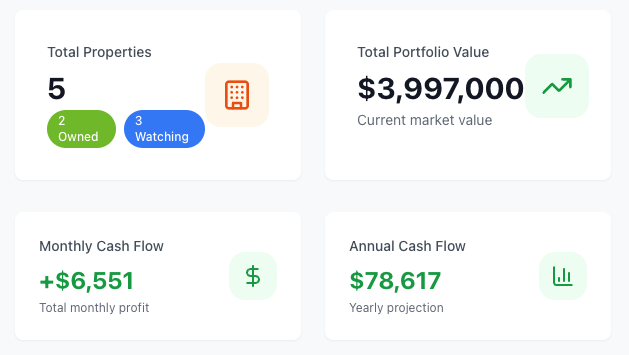
You don’t have to code complex algorithms to benefit from these new trends. Several AI-centric platforms are now available that equip you with advanced analytics and intuitive dashboards. One standout example is Rental Optimizer (https://rentaloptimizer.com), a platform built to analyze rental demand, forecast property appreciation, and recommend the best times to adjust rental prices. You get up-to-date data on occupancy patterns, local school ratings, and even short-term rental performance.
Before you fully commit to any platform, weigh elements such as ease of use, integration options, and scalability. If you plan to expand your portfolio to multiple locations, ensure the software can handle a broad range of markets. A strong AI solution grows with you, saving you from the hassle of switching tools each time your ambitions evolve.
How to compare AI platforms
- Data coverage: Look for a platform that includes local stats on crime rates, transportation, and property histories.
- Forecasting accuracy: Check reviews or case studies that detail how well the tool’s predictions match actual rental outcomes.
- Customization: If you have specific goals—like focusing on single-family homes or short-term rentals—choose tools that allow you to tailor reports to those needs.
- Pricing structure: Understand the subscription or licensing costs. Some are flat-rate, while others base their fee on the number of properties you manage.
Overcome potential challenges
While AI can transform your rental income strategy, it’s essential to keep a balanced perspective. Data-based forecasts are always subject to real-world friction, including unexpected community changes or shifting interest rates. If you rely exclusively on an algorithm without understanding its assumptions and possible blind spots, you could overlook critical red flags.
Regulatory changes also play a role. Some cities have strict tenancy regulations or have begun placing caps on how far you can raise rents each year. AI might suggest a property that appears profitable, but local laws could cut into your expected returns. Regularly consult with real estate attorneys or local property managers, so your AI insights mesh with on-the-ground realities.
Keeping a human touch
Above all, you remain the decision-maker. AI is a powerful tool that provides clarity, but it shouldn’t replace your own experience, intuition, and ethical standards. For instance, an algorithm may signal a location is profitable but might not factor in future rezoning that drastically alters the neighborhood. Confirming the data with market visits and professional inspections helps prevent unwelcome surprises.
Plan your next move
Now that you’ve seen how AI real estate market trends can influence your rental strategy, it’s time to take the next step. You might start small by evaluating one or two properties using an AI-powered platform. Or, if you’re ready to commit, you could integrate AI into every aspect of your portfolio management—from property searches to ongoing tenant relations.
For a deeper look at how AI can modernize your real estate strategy, check out ai real estate investing. Exploring new tools is a natural next move if you want to boost your returns and adapt to dynamic market conditions. By staying flexible and embracing these advancements, you’ll put yourself in the best position to thrive in the evolving world of real estate investing.
Remember, where some see uncertainty, AI sees data patterns—and that means opportunity for you. Over time, these insights will not only streamline your approach but also preserve your valuable resources, both financial and personal. The future of AI-powered real estate is quickly becoming the present, and it’s your turn to leverage these cutting-edge tools for your rental income success.
Make Smarter Rental Investments & Boost Profits
Use AI to Assess Opportunities
Compare Cap Rates & Cash Flows
Optimize Rental Income
RentalOptimizer.com